Wednesday, October 22, 2014

Activities through the words of students

Haikus About Curio Markets
by Sydney SG, Junior, Illinois and Marley, Junior, Montana

[editor's note: formatting is intentional, according to the authors]

colours everywhere
under table, even more goods
reaching for kwacha

inside stalls I'm trapped
overpriced, I will barter
"Made by my brother"

"And only this stall"
"Real cow bone, I promise you"
kwacha exchanges

everyone is glad
time to leave, purchase in hand
souvenir for mom


[note from the authors: read between the lines, there is a secret]


Drumming in Livingstone
by Maia, Senior, New York

We all herded through the common area at Jollyboys to the lawn adjacent to the outdoor kitchen. All of the wooden benches we had been sitting on during meals were arranged in a semi-circle around a big, colorful bass drum. We were each told to find a seat behind one of the smaller drums that had been set out in front of the benches. Two grinning Zambian men were waiting to greet us, their dreadlocks flopping in their faces. One of the men stepped forward and introduced himself as “Lion,” which was fitting considering his shirt had a graphic of two lions on it. He was also wearing a faux-leather hat which he removed to reveal six enormous dreadlocks. His dirty, all-white Adidas sneakers each had red, yellow, and green beads strung through the laces. The other man was wearing the typical “embarrassing dad” Hawaiian shirt, complete with a plethora of silhouetted palmtrees with a blue background.

Lion taught us how to properly hold our drums: between our thighs with our ankles crossed to make sure the instrument didn't slide down. We played “Call and Response” for awhile, after Lion had described the difference between the different sounds the drums made depending on where you hit it. If you slapped the middle it made a deep bass you could feel in your chest while slapping the sides made a shallow “thuack!”

The man in the Hawaiian shirt, who was also sporting natural dreadlocks accompanied us on the bass drum and entertained us by randomly shouting things like “Africa!,” “Zambezi!,” and “ZAMBIA!” in his raw, throaty voice.

The sound of the drums echoed for miles, bouncing off buildings and throbbing in the smokey evening air. After our hour of drumming, dancing, and yelling weird noises, Lion gave us a short speech about how we have to “feel the music inside of us.” We asked him to play something for us and he proceeded to impress us with an improvised duet with the bass drummer, which was an excellent way to end our session.

We lumbered off after saying our "zikomos," our hands throbbing and red. The drum rhythms pounding in our heads, we exited to put our malaria clothes on and continue our crazy lives.


Sunset Cruise on the Zambezi
by Marisa, Sophomore, California and Hannah L. Junior, California

As the bright light of the golden sun reflected off of our skin and bounced off of the water, our voices harmonized to the familiar melody of "Rivers and Roads." To our side, hippos bobbed up and down the deep trenches of the great Zambezi river, and elephants joined by the tail opened their ears to listen to the vibrations of our sweet song.

We decided to make our final night in Zambia a memorable one. We put on our fancy, long skirts and brushed our hair. When we stepped on to our private boat, our eyes widened in excitement at the appetizers laid out on the table and the assortment of sodas placed on the bar counter.

As we dined on the top deck of the boat to the setting sun, memories floated through our minds of South Luangwa, Lusaka, Bovu Island, and Livingstone. The sunset cruise was a perfect way to wind down the evening, and our time in Zambia.


Hwange National Park
by Baylie, Sophomore, California

Who doesn't love waking up and getting ready at 4:45? It's a lot easier when it's because you're going on a game drive and want to catch glimpses of wildlife as the sun rises. Hwange National Park was where we went on our third and fourth game drives. Anytime you're bouncing down a dirt road through the savannah in a safari truck is pretty cool, but the Hwange game drives paled in comparison to South Luangwa. On the evening drive in South Luangwa we saw a pride of sleeping lions and several leopards prowling through the grass. Their mannerisms reminded me of my cats back home! It seemed like every corner we turned there was an elephant or a giraffe or some other stereotypical African animal. The Hwange game drives were much more mellow, although we did see quite a few elephants and antelope. For me, it was a meditative experience to zone out and appreciate the silence. The dusty dry landscape sprinkled with acacia trees was the ideal backdrop as the hot wind rushed through my hair. All the game drives have been incredible experiences. It's pretty neat to reach the point where you've seen so many that it's “just another elephant.”

Wednesday, October 15, 2014

Classes, Classes, Classes

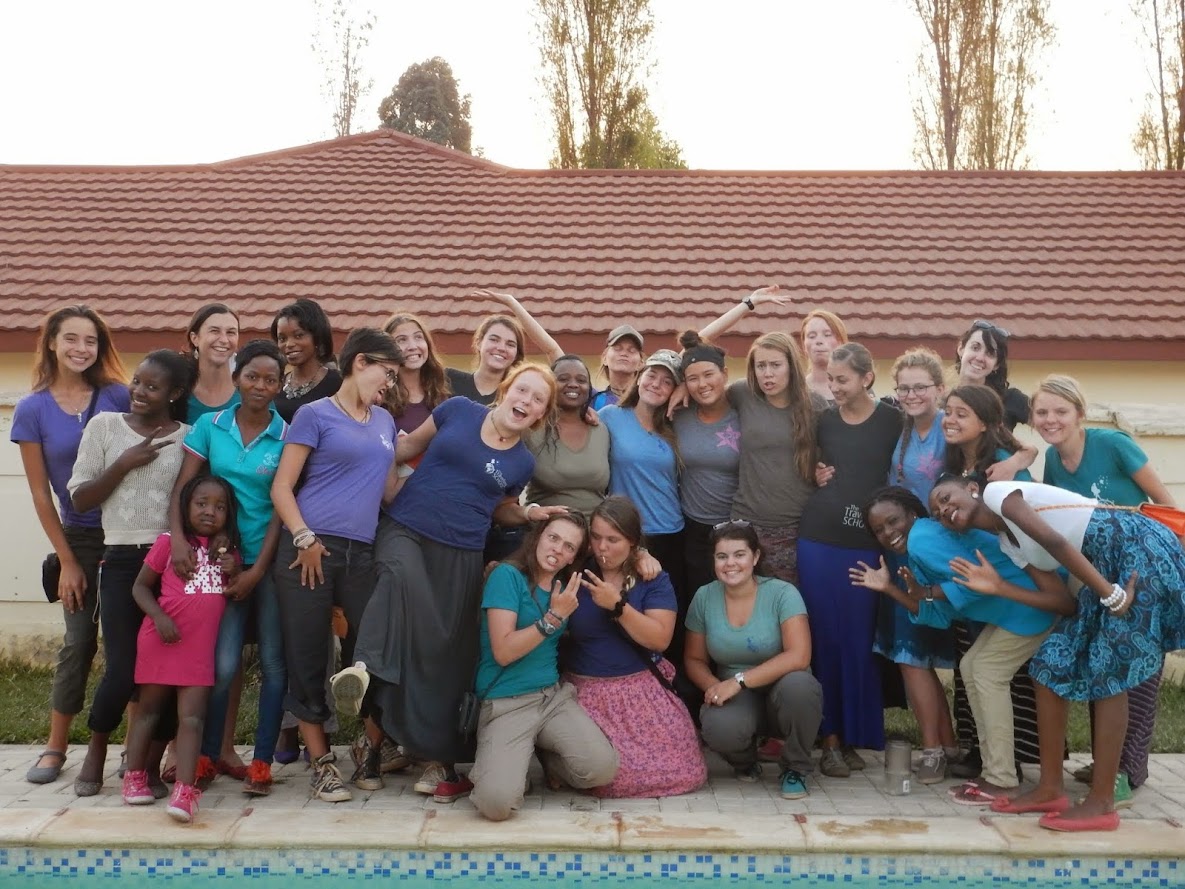
TTS24 and friends

PE & iLife

We are busy in the early mornings with jogging, yoga, soccer, frisbee, and even synchronized swimming! We have found ourselves running next to zebras on our morning jog, playing a game of soccer on a golf course, and choreographing a routine to “Under The Sea” for our swim class. The enthusiasm the girls bring during these early mornings is a great way to start the day feeling accomplished and energized. Soon the students will have their own opportunity to lead PE class and implement the activities they love into our outdoor classroom.

In our moments of iLife classes – habitual islands of stress-free magic – we've allowed time for reflection on the course of the semester thus far. To follow up with our goal-setting from the start of the semester, students revisited their self-projections and made relevant revisions. We also took a look at personal effort in PE classes, and considered what changes each individual could make to get more out of their workouts. Leading up to midterm exams, students were especially in need of a clear discussion about stress management techniques. In addition, students and teachers participated in a poignant fishbowl discussion regarding grades: numbers assigned to humans and the importance (or not) they carry in their lives. Soon, the students will take over more leadership of their daily lives as they become “chieflets”: setting the schedule, managing work crews, and creating the flow of the day. We look forward to coaching them through this exciting experience!


Travel Journalism

We hope you've been enjoying the pieces coming from our famous TTS writers in Travel Journalism! After visiting South Luangwa, students completed a series of “Who Am I?' articles in which they wrote a narrative coming from the perspective of the animals we've found on our travels. Upon arriving in Lusaka students continued to perfect their interview skills by asking people around our campsite about Malaria and if/how it has impacted their lives. Later in the week TJ students wrote a series of skits based on their interviews and performed them for Malaria Day.

Over the past two weeks students have been working hard on their Midterm: The Legend of Nyami Nyami. Without many clues, they spent a good part of their week reading books, interviewing staff, local vendors, and people we met along in Livingstone and Victoria Falls. Once this assignment is completed, students will start to write and design The TTS Times to showcase their work and the writing of their fellow students for the Campus Visit. Upon completion we hope to have a copy of their newspaper online for all our viewers.


SCIENCE
In the midst of our first cross-curricular day concerning malaria, our science class found itself walking through the life cycle of the parasite. One patch of grass at our campsite represented the mosquito – stomach at the shady tree, salivary glands at the sprinkler. Another section of lawn was the human skin, penetrated by the mosquito's secret bite. Down the brick-lined pathway of the bloostream, the students followed Plasmodium into the liver, and through the rest of its lifecycle within the blood of a human. Students described each stage in detail, working from a reading they completed to prepare for our exercise. We then launched into the TTS-TV portion of the day, with all the members of TTS24 playing characters on a fictional television talk show. Anopheles the Mosquito, Bill Gates, Rachel Carson, Stephen Hoffman, a representative from Glaxo-Smith-Kline... various perspectives joined together to discuss the local and worldwide effects of malaria, why citizens of the U.S. should care, and what a solution to this deadly disease might look like.

The next day, Dr. Anna Winters of Akros Global Health (check them out at akros.com) invited us to visit their non-profit, and learn more about malaria and strategies for its control in Zambia. Via the utilization of techniques from mobile phone tracking by rural health workers to DNA screening of known malaria cases, Akros is a leader in the potential eradication of the disease in this area. We were especially inspired by the all-female leadership that we met: Dr. Winters, their communications director, and a chemist from their research lab. To my delight as a science teacher, we were even invited to check out their lab, where they run routine tests on blood samples from infected individuals from around the country.

Malaria Day and Akros provided a splendid introduction to our unit on infectious diseases. Throughout our time in Livingstone and our first days in Zimbabwe, our class dove into different types of disease, the classification of infectious agents, potential treatments, and an overview of public health measures. Students presented infectious agents as evil villain characters, and drew up superheroes to demonstrate the values of their nonspecific and specific immune systems. Ignited by the news of the first Ebola diagnosis in the U.S., our class turned to the study of epidemiology, and worked in groups to come up with strategic plans for dealing with this disease in Africa. As we move towards midterms, we are concluding this exciting unit with a review of antibiotic resistance, herd immunity, and a final exam involving the creative elaboration of 14 brand new create-your-own dieases (and epidemiologic plan to fight them, of course)!


Global Studies
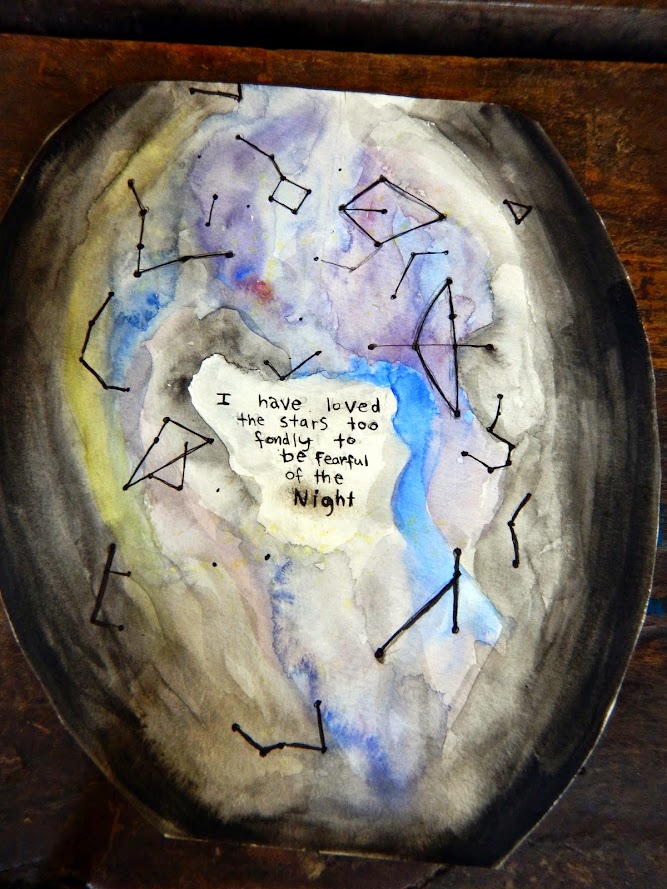
RRQ
Our time in the capital of Zambia will be remembered for its zebras and our heightened awareness of malaria's influence. The teachers devoted a full class day to a cross-curricular look at malaria. Each class focused on a specific facet of the disease. Science students role-played the life cycle of the parasite while travel journalism students interviewed locals' perspectives. All the classes prepared the students to share their newfound knowledge through our imaginative 'TTS TV presents Malaria Day'. Each student was given fictional or nonfictional  roles that are affected by the disease. Bill and Melinda Gates, a local Zambian aid worker, a drug company representative, "Anapheles" the mosquito, and a plethora of other creative characters were interviewed in the program. The teachers acted as servers and commentators during the show. TTS TV was a great success on all accounts. To top it off, we were fortunate to visit a malaria research center. Akros Clinic gave us an in-depth tour of their facilities and answered our infinite number of questions about the prevalence of the disease and its ramifications.

Also while in Lusaka, the University of Zambia's economics club were delighted to give TTS a private tour of their school. Our students were eager to discuss life, politics and the economy with Zambian students. The club gave us great insight to the issues facing their country.

Our time in Lusaka came to an end too quickly. But luckily for us, our Zambian education does not. While enjoying a laid back weekend on Bovu Island, the students were asked to read an article on Zambian copper mining. During class, we discussed the positive and negative consequences of mining for the local people and the environment. The owner of the island, Brett, overheard our conversation and asked to join. Brett grew up in in a mining family and studied mining in university. In his early twenties he held a high position in a South African mine. Needless to say, our students gained valuable knowledge and perspective about complexities surrounding natural resources.


Currently, the students are analyzing and evaluating the role of the United Nations while TTS teachers prepare a role-playing simulation. Yesterday students acted as UN members to create and implement a resolution for a hypothetical international crisis. This weekend students will take on the role of U.S. senators arguing for varying policies surrounding the role of the United Nations in U.S foreign policy. In order to embody their roles, students completed readings on the history of the UN, its role in international affairs, and issues surrounding the organization.

ALGEBRA 2 & PRECALCULUS
Algebra 2 is exploring real-world implications and building their problem solving skills. They combined with the Precalculus class to compute and interpret statistics surrounding malaria. In pairs, students performed public service announcements during our Malaria Day cross-curricular presentation. Building off their abilities to determine percentages, students went on to use proportions and cross-multiplication to solve equations. We also used similar skills to convert kilograms to pounds, miles to kilometers, and gallons to liters -- demystifying many of the numbers we encounter here on a daily basis! Most recently, students began to graph linear equations and inequalities. Next up, we will be learning how to determine and interpret lines of best fit.

With the Algebra 2 class, Precalculus took a detour into statistics and percentages during our preparation for Malaria Day. The subsequent public service announcements were alternately moving and humorous, ranging from a vignette featuring a talking mosquito to a factual presentation of troubling statistics. Students then moved on from simplifying expressions into solving equations and inequalities. They are graphing linear equations and can determine whether a graph is a function. In analyzing those graphs, students are learning how to define domain and range and find the x- and y-intercepts. Finally, students are using points on a graph along with parallel or perpendicular lines to determine slope and to write an equation fitting the given parameters.


Math Concepts
Math Concepts students worked diligently on understanding credit cards last week. What is the annual percentage rate? What are the true costs of using credit? How do you calculate what one will pay over time based on the APR?

Moving into Zimbabwe, the questions are centering around inflation, and what occurred in the economy here not so long ago. Why is it that walking down the street people sell billion dollar notes? What is dollarization, and why was it implemented? If U.S. dollars are only printed in the U.S., how do they get to Zimbabwe? Why is South African rand given as change?

For the midterm, students are preparing presentations on their respective novels: 'Nickel and Dimed', 'Small is Beautiful', and 'Confessions of an Economic Hitman'. MC students are also helping their peers on questions around the economy, explaining issues surrounding currency and markets. it is exciting to watch them step into the teaching role, and I can't wait for the increased leadership each student will take in the second half of the semester.


Literature & Composition

Wow, students completed an intensive literature exam two weeks ago, which asked them to make connections from their home lives, their observations, and the text, 'Zenzele'.  Since then, they have written twitter poetry, and recited their epistolary narratives over an open fire and s'mores. Last week we dove into Alexandra Fuller's novel, 'Don't Let's Go To The Dogs Tonight', a riveting memoir that is the definition of 'show, don't tell' writing. We get shivers when reading her descriptions, the harsh and chaotic images clearly painted in our minds. Literature class is aligning with history more than ever, elucidating issues of structural violence and racism in former Rhodesia. It is powerful to be in the locations of the novel, to feel the red African dust, see the sunsets, and understand the ZANU-PF writing on the walls. Students are beginning to understand the complexities of black/white relations in the region through varying perspectives of different authors. For their upcoming midterm, they are each writing a personal manifesto, inspired by the work of Fuller, Sojourner Truth, Eve Ensler, and more.

History
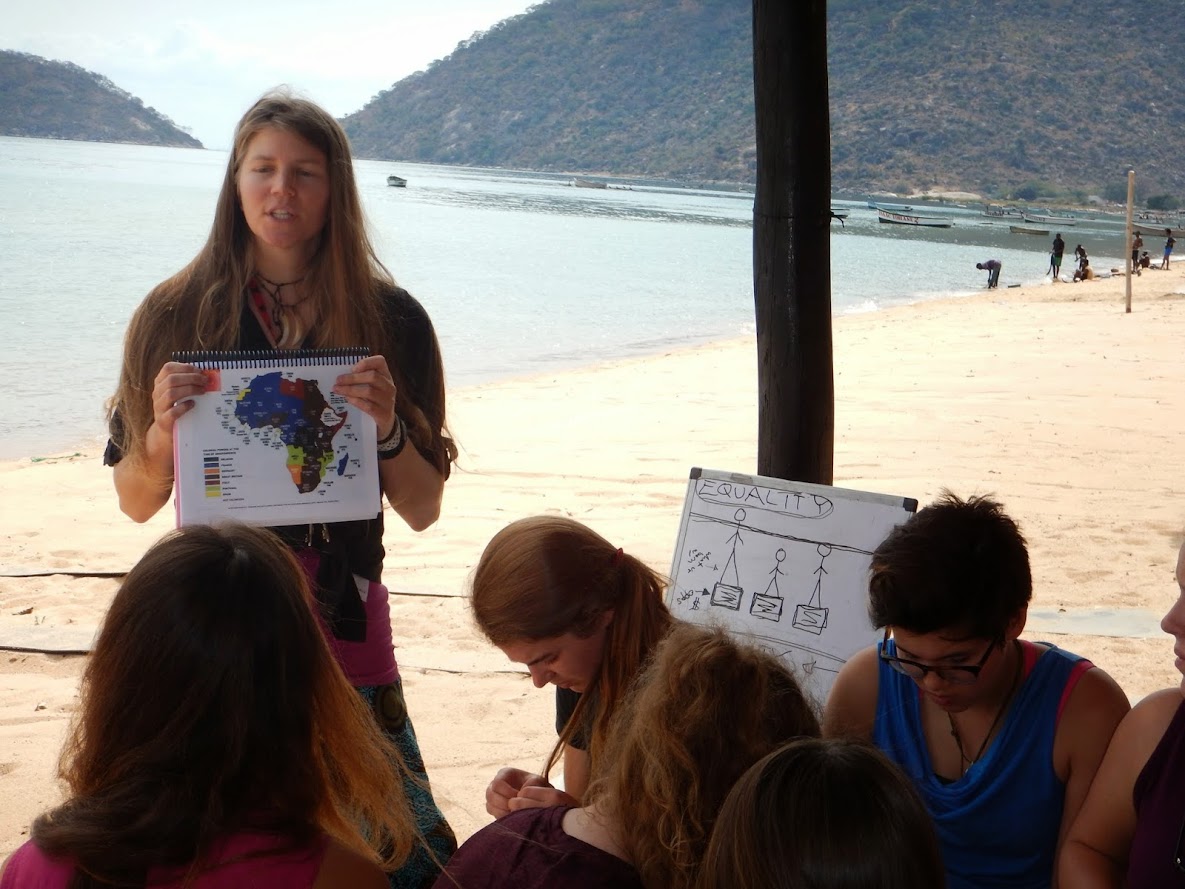
History has taken on an interesting twist the past week, once we entered Zimbabwe. We have gone underground. Students are learning firsthand what it means to not have free speech, or freedom of the press. What can they speak about in public? What kind of questions are okay to ask strangers? It is an awareness not many of us are used to. Using Papa as our guide, we have openly political classes in the bush, in isolated campsites where our only neighbors are elephants, vervet monkeys, and Cape buffalo. After reading a few intense articles on Robert Mugabe and the past thirty years of oppressive and corrupt policies, we had a Q & A with Papa, who told us what life was like under British control during the days of Rhodesia, during the liberation war, and post-independence under Mugabe. Rolling with the secret vibe of history class (which is all politics), we have decided to have as much fun as possible with the idea of not being able to speak freely. So we are planning a secret meeting/simulation that will ask the question of whether the United Nations should impose economic sanctions on Zim. We will meet in the middle of the night on Big Blue, using headlamps to guide our way. The students can't wait. As a teacher, I can't help but smile that each and every student wants to get up at 1am to talk about history. It is thrilling.
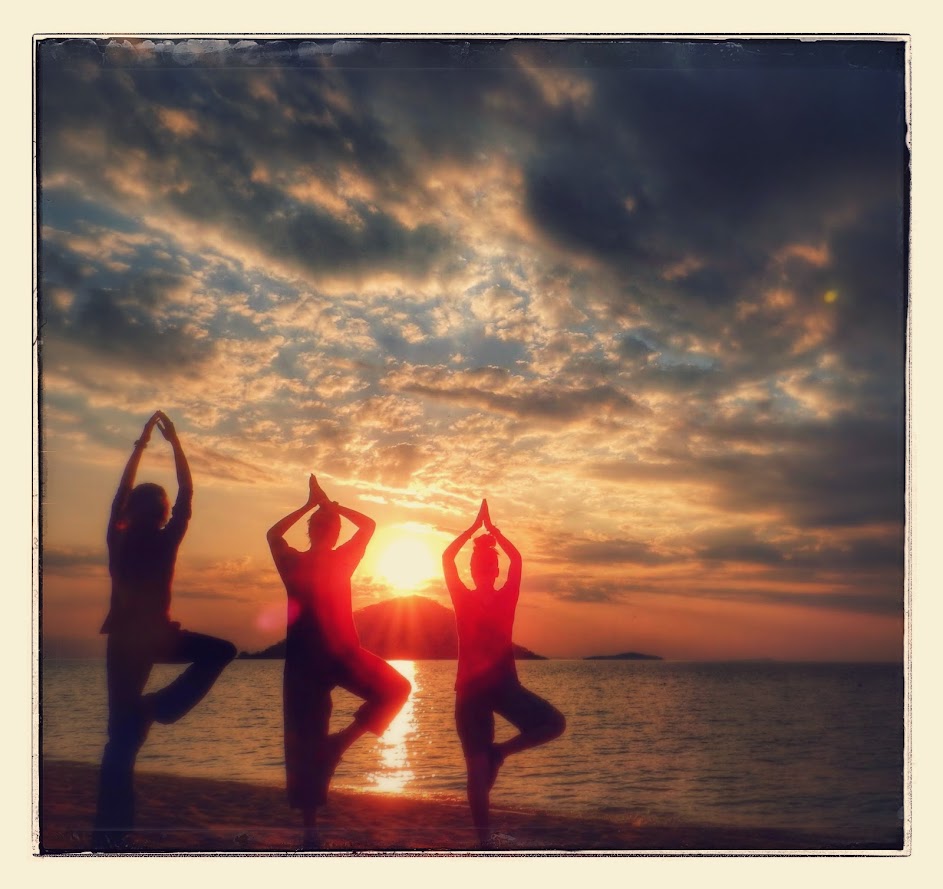
Domwe Island


Monday, September 29, 2014

Experiential Academics

Hello all~

Napping Monkey in South Luangwa

As TTS24 travels through Zambia, they continue to take in their surroundings and jump into new adventures. Parents received some personal updates from students last week during phone calls and we look forward to another round of communication soon. In the meantime, it sounds like teachers and students are living out their academics. Malaria Day culminated with a four part TV show featuring malaria players, including a mosquito, a ghost and the Gates Foundation. Stay tuned for more details on how it all played out.


Girls Leadership Club 2012
Students met with a Girls Leadership Club while in South Luangwa to share stories of being teenagers and learn through different perspectives. During the afternoon our students were shocked to learn about a few poignant cultural differences, including how a woman's menstrual cycle affects her life in a community often keeping her out of school for days at a time. Differences such as this led to introspective TTS debriefs post exchange and help our students understand global issues on a more personal level.

The group spent the weekend on Bovu Island on the Zambezi River. Hannah L spent time in the same community about two years ago and was so greatly impacted by her service project, she returned home a raised money. This trip was a fantastic opportunity for Hannah to rekindle past friendships and for TTS to use your connections to bolster cultural exchanges around southern Africa.

Big Blue
As you know, these ladies are busy! Below are updates from the teachers working to share classes with you so you can catch a glimpse of the academics.  

PRECALCULUS

Precalculus students are wrapping up the chapter on simplifying expressions and solving algebraic equations. We have multiplied many polynomials and explored the reciprocal relationship between dividing out the greatest common factor and factoring. This has set the stage for graphing equations and exploring functions in the near future. Students recently teamed up to teach each other different factoring methods, and they regularly collaborate on problem solving during class, homework time, and while revising their quizzes. They are gearing up for their first test this week.

ALGEBRA 2

Algebra 2 students recently conquered their first chapter test on properties and operations. After uncovering the differences between rational and irrational numbers, we moved on to simplify algebraic expressions. Students have encouraged each other to understand the properties of exponents and square roots, working together to divide and multiple expressions including positive and negative exponents and radicals.We have applied our learning to solve word problems about our own trip, for example, determining an equation to describe how much 16 girls spend when buying different types of soft drinks! We are now moving onto solving linear equations and proportions.


History & Government

After a huge unit on colonialism, exploring the question, 'What is the legacy of colonialism in Africa?', history students are moving on to a new question, 'Why is it that resource-rich nations remain so poor?' Zambia is filled with copper, and students are beginning to explore the social, political, economic, and environmental effects of mining. Just today we visited the University of Zambia, and met students who had grown up in the Copperbelt. TTS students are knee-deep in articles debating whether natural resources are a blessing or a curse. How, you may ask, does this relate to history or government? It is the student's task to find the connections! They are reading about the formation of trade unions for miners, and how the unions were connected to independence movements from Britain. Coming up next is a case study on the Mopane copper mine.


iLife

Sitting in a circle on the floor of our cabin in the woods of Mount Mulanje, we addressed the flow of group dynamics. Teachers introduced a model of how groups form and grow over time, and we reconsidered our hopes for each other as an assemblage of human beings. Even though the idea of “storming,” or working through difficulties, with each other created discomfort, we also thought about its long-term value.

To introduce goal-setting, the teachers took on the personas of overly enthusiastic life coaches at a fictional seminar. After introducing the rationale behind creating intentions in our lives, we were able to be a bit more serious. We considered the academic, personal, emotional, social, and physical realms, and discussed the importance of goal-setting. Students worked in mentor groups to create both short term and semester-long goals that are specific, measurable, attainable, relevant, and timely.

As our semester progresses and students' possessions find themselves out of their bags more often, we turned to the subject of organization. After a workshop on calendars and assignment notebook use to track academics, students reconsidered how they organize themselves in their duffles and tents. This reorientation of personal objects is a crucial step in the maintenance of personal space and sanity as the semester continues!

In the next few weeks, we are looking forward to digging into methods of conflict resolution, revisiting our original goals, and the process of gracefully giving and receiving effective feedback.

Elephants headed to TTS24 South Luangwa Camp

PE 
Since our adventurous and wet hike to Mount Mulanje, students continued their outdoor and physical education at Lake Malawi. We had the most fortunate opportunity to kayak four kilometers to Domwe Island. We paddled in double kayaks with two professional local guides who described the natural history of the lake and the surrounding area. The following morning we continued to develop our kayaking skills as we paddled back to Cape MaClear in the brilliant sunshine. 

We have also enjoyed early morning jogs and circuit workouts. After Domwe Island, TTS students participated in a morning run along the beach while fisherman prepared their nets. Furthermore, TTS teachers Mary Reid, Beth and Quinn have introduced yoga in to our routine by incorporating sun salutations, breathing exercises, and post workout stretches. Since arriving at South Luangwa National Park, PE class has been limited to our campsite because of the extraordinary number of surrounding animals (hippos, elephants, monitor lizards and more). For example, Katie, held a stretching warm-up under a straw pavilion overlooking a watering hole that elephants frequently visit. To stay true to our TTS philosophy, we make the most out of our unique locations and resources. Hence, PE has primarily focused on individualized circuits that consist of lunges, push-ups, ab exercises, burpees, squats, balancing poses, and a variety of other strengthening exercises.

SCIENCE

Science, as much as any course, consistently reminds me of how fortunate as we are to be immersed in our classroom! On the shores of Lake Malawi, students engaged in text-based discussions about the challenges unique to the area. Issues include the rapid drop in the water levels, diminishing fish stocks, over fishing, and the search for oil under the third largest and second deepest lake in Africa. Why are water levels dropping? What problems does a governmental program to restock the lake create? How can education efforts be extended to a population that is minimally connected to mass media? What is a “resource curse,” and how can this thought be amplified and applied in other contexts? Our scientific search for meaningful questions continues!

In preparation for our first big animal experiences, we moved on to population ecology and the value of resources in determining population size and distribution. Upon our arrival at South Luangwa National Park, elephants and hippos greeted us. Families of monkeys and baboons provided ample opportunities for tent-side wildlife observations. At last, we jumped into the Land Rovers for our first game drives! In two four-hour drives (one early morning and one evening-night), we caught sightings of elephants, squirrels, mongoose, zebras, giraffes, hippos, hyenas, porcupines, various types of antelopes, civet cats, warthogs, leopards and LIONS! We were lucky to encounter four out of Africa's Big Five! Now, we're only missing the rhino...


In homage to the missing member of our Big Five sighting, we turned our focus to the poaching of rhinos. After a park guide explained the local context of poaching, we researched the issues and held a debate about the effective management of this keystone species. Who wants to buy rhino horn and why? In what ways is sustainable horn harvesting a realistic option? What consequences should fall upon poachers when caught? Who poaches and for what reasons? How does the black market for horn work? How do we feel about trophy hunting permits sold for conservation purposes? 


Literature & Composition

We recently finished the novel, 'Zenzele', by Zimbabwean author and neurosurgeon J. Nozipo Maraire. Everyone loved it. They completed an essay exam and every teacher is excited to read through the exams because students poured their hearts into their work. Lit students also are finishing their first major writing assignment, the epistolary narrative, a series of letters inspired by the style of Maraire. Yesterday was a fabulous coalescing of all of the classes in our famous cross-curricular days. The first in our series was 'Malaria Day', where all of TTS24 worked together to study multiple angles and perspectives surrounding the issue of malaria. Lit students contributed to the day by creating a community found poem, a collaborative piece of work. Each student mined 50 words from a key article on malaria. Then they wrote an 8 line poem using only their mined words. Next they chose their strongest line. Finally, they collectively arranged their lines into one large class poem, which they spontaneously performed during dinner later in the evening. It was a cool moment, sitting in the dark as students turned on their headlamps one by one, and powerfully spoke their lines, voices in the circle from all directions.

Tuesday, September 23, 2014

Travel Journalism and Global Studies updates

Over the past few weeks of Travel Journalism, students have  worked hard on their writing, interviewing and photography skills. They recently handed in articles showcasing some familiar faces of TTS, as well as some of the people we met along the way on our travels. Students are beginning to improve their interviewing skills and have started to learn what hard hitting questions they should ask during their interviews to help shape their articles.

In photography workshops, we have focused on scene composition, aperture, shutter speed, and ISO. Students have added these 'how to' set of skills to their camera manuals and have been visiting some spectacular places to practices these new tools. They learned how to set a high shutter speed to freeze the fast action of the speedy impala running through the grass, and practiced changing the aperture to limit the depth of field in portraits of our fellow classmates. However, the class favorite has been a photo shoot with classmates jumping in the air with the African sun setting over the river...just an average day in the life of a TTS student!

Enjoy Claudia's article on Chifundo and stay tuned for an upcoming special interest post on Mt. Mulanje's Cedar Trees coming from two of our TJ students. Additionally we're currently writing a series of 'Who Am I?' articles and we'd love you to guess who our writers are personifying in their writing!


Chifundo

By Claudia, Panama, Sophomore

It's amazing how someone can inspire you so much to follow your dreams with just one conversation. This happened to me at Fishermen's Rest one night when I decided to talk to the shy face hidden in the kitchen. Chifundo was her name.

Growing up in Malawi, one of the poorest countries of the world, Chifundo rarely had enough to eat and school was always a challenge. Her mother, just like the majority of women in Chifundo's village, had no job apart from taking care of the house and the kids, and since Chifundo was the oldest, she always had to help clean or take care of her little brothers. However, she always had bigger plans in mind. She always dreamed if going to college to become a doctor. "I noticed that out of the twenty children in my village, twelve had Malaria, and all I wanted was to cure them". Chifundo dreamed big, but college was too expensive, and therefore, at age sixteen she was already working at a school. Here she met the love of her life and became pregnant. Although her heart was filled with joy an happiness, college seemed ever farther away now.

When she was seventeen, while she was teaching him French, her love got on his knees to propose. She said yes with a smile and moved to his village to raise their daughter together. Her daughter was the joy of her life, but little did she know the hardest was yet to come.

At age two, her daughter got diagnosed with Malaria. Chifundo et as if everything was crashing, she felt extremely guilty. "If only I had bought her mosquito nets...". Years went on and her daughter still has to get injections twice a week to keep her healthy. She is happy that her daughter can get treatment although this means having to pay extra money each week.

This awful event however made her more dedicated to pursuing her passion for medicine. She decided to let go of her ideas about staying home, asked her mother-in-law to take care of the house and found  job at Fishermen's Rest. There, she created a budget to save money every week. This is how little by little, her dream of becoming the doctor who will heal her daughter is coming true. Just as Chifundo follows her dream no matter the barriers, I hope to be able to follow mine.


GLOBAL STUDIES
Varied in nature as it is, Global Studies class has cast a wide focus on our experiences in Lake Malawi and South Luangwa. In preparation for completing writing assignments in this course throughout the rest of the semester, the students participated in writing workshops. Topics included formal language and strategies for “exploding a moment” (detailed writing).

We also learned the format of the famous TTS RRQ (we're FFA: famous for acronyms). A bit of background: through the assignment of weekly reflections, students are given the opportunity to process their experiences; the homework rotates between RRQs and creative global reflections. In the biweekly RRQ, students write paragraphs that consider a specific moment during the week: their immediate reaction, and a thoughtful reflection. Peers trade papers and respond to each other's thoughts by writing probing questions, and each author answers the questions. Complicated as it may sound, this format gives the students a forum in which they can exchange ideas and opinions, and express emotions and perspectives. This is a crucial piece of experiential learning! In the most recent round, we read papers that addressed observations from truck rides, conversations with Ngwena, and realizations originating from TTS conversations and classes.

Designed to accomodate multiple forms of expression and thought, the biweekly creative global reflections are more artistic in nature and ask for a more creative response from the students' understanding of their travels. This week, we asked students to write a postcard (addressee and sender to be determined), and explain something they learned on a game drive or at Project Luangwa. We're looking forward to seeing what they come up with!

Speaking of Project Luangwa, part of our Global Class took place in conjunction with this education-based non-profit. A local elementary school allowed us to observe and participate in classes; TTS students interacted with children and taught classes ranging from fractions to world religions. We were very fortunate to receive an invitation from the student-run all-girls Leadership Club. Our students were pleased to interact with girls their own age: chatting about similarities and differences in their lives while they braided friendship bracelets for each other.

In addition to these experiences, we have attacked some complicated subject material: an introduction to the idea of privilege, the terminology of “tribes,” and defining globalization. Last but not least, Ngwena and Samukange are vigilant in continuing to reinforce our studies of the Shona language!

Monday, September 22, 2014

old and new news

Hello all~

Here is a blog post that was temporarily lost in cyber communication paths. By now you all heard about the hiking trip and the introduction to big blue, but never the less...


From Fisherman's Rest, we were looking forward to venturing south to Mount Mulanje, a green massif rising from the relatively dry plains. We arrived at the hostel the afternoon before starting the hike, taking time to arrange details with our guides, pack our bags, and organize food. And of course we made time for a few classes, delving into Galtung's iceberg theory of violence and reviewing and correcting the first round of Algebra 2 and Precalculus quizzes. We started out early on Monday morning, and we spent almost eight hours on the trail! Traveling around five miles and nearly 4000 feet in elevation, the girls pushed hard and stayed positive despite the tough climb. We were rewarded with some incredible views of the massif and the surrounding flatlands. We passed through bare fields, rocky outcroppings, bushes of purple and yellow flowers, and even several sections of rainforest. Arriving to a warm fire and a cozy cabin, the girls drank hot chocolate, cooked dinner, and bravely shared some of the poetry they had written for Literature class.
Despite the chilly and overcast weather on Tuesday, everyone donned their backpacks for a day hike. The weather never let up, and at one point the group split into two groups - one group who needed to go warm up by the fire, and another of who would go see the waterfall. Unfortunately, when we got to the cliff, we were enveloped in a mist and couldn't see much of the waterfall or the view! Nevertheless the girls marveled at being in the middle of a cloud and cheerily tucked themselves out of the wind to enjoy a morning snack before heading back to rejoin the others. We spent the rest of the day in the hut having a Q&A session with our Malawian guides, Peter and Vincent, listening to more of our own poetry, discussing the stages of group dynamics, and digging into some literature - both our current novel, Zenzele, and the poem "Wild Geese" by Mary Oliver. Not a bad way to spend a rainy afternoon in the mountains.

We headed down the mountain on Wednesday, facing an arduous downhill. We took plenty of breaks to rest our knees, eat, and drink water, and the students in Science class took time to complete a couple of entries in their observation journals. (Our guides' knowledge of the mountain's flora and fauna was definitely useful.) We sang pop songs - this group has some strong vocal chords! - and talked about everything from the social responsibility of pop stardom to the ethics of cutting down timber in the protected forest we were hiking through. I think the girls enjoyed having time to get to know each other in a new way, and they all took pride in their ability to push themselves physically.

When we reached the end of the hike, everyone plopped down on the grass and enjoyed some chill time before meeting Ngwena (our driver), Simukange (our cook), and Big Blue (our truck.) We all cherished our rest that evening before heading north the next day.

And a more recent update over the weekend...

South Luangwa has been a dream. Students wake up with the sun to sit silently on a grassy patch overlooking the riverbanks, listening to Zambia wake up. Herons and kingfishers stand elegantly by the water, as each of us play our new favorite guessing game: rock or hippo? Today ten giraffe walked by. Thirty-five elephant walked single file across the river. Last night students unzipped their tents to peek out with their headlamps, watching two elephant eat the leaves on the trees ten feet away! We are in awe that this is our school. Sunsets are peach sherbet to molten lava orbs descending on the horizon. Meals are lovingly prepared by Samukange, who, along with Papa, has taught us greetings in Shona. Students are slowly overcoming their hesitance to make tea and coffee for their elders, the way it's done in Shona culture. They are vibrant, digging into tough issues, initiating conversations in and outside of classes. Us teachers smile as we walk by, loving their engagement, their respect towards each other, their quest for meaning.

TTS24 is going strong. From our start at Fisherman's Rest, where we dug into issues of service and the idea of 'helping', to climbing Mt. Mulanje, accomplishing it together, and fireside poetry, to encountering Big Blue, and easing into 'truck life', to kayaking to Domwe Island into tranquil solitude among boulders, civet cats, and monitor lizards, to game drives in Luangwe and women's issues in the region, intense discussions, and connections during school visits, to girl's leadership clubs that show that on one level teen girls no matter where are teen girls, the students are thriving. We can't wait for them to share with you their experiences.

Check back later this week for academic updates!

Sunday, September 14, 2014

A quick group update - onto country #2

Update from Sarah moments ago: "South Luangwa is beautiful, and the wildlife camp is great. Elephants everywhere, fighting hippos, naughty monkeys. A baby monitor lizard is living above papa's room." 
From Beth: 
The maiden voyage of our new chariot brought us to Cape Maclear: a beach town nestled in a beautiful bay of Lake Malawi. Our group enjoyed our first truck-camping experience: chopping vegetables from Samukange (our cook), learning Shona phrases with Ngwena (our driver), and basking in golden orange sunsets on the beach. The lake provided an impressive backdrop for classes, and the students finally found time to take care of the important things in life – laundry! Yet right as our clothes dried, it was time to immerse ourselves in a new experience. In double kayaks, the students and teachers of TTS24 paddled out to Domwe Island, and had the opportunity to experience a private island experience. With our tents set up on the beach, we found time to journal independently, make science field observations, and enjoy each others company. We learned the value of a dedicated hour of conversation in an activity called “dyads,” in which a pair are assigned to speak to each other and no one else. Tiny blue geckos darted around the paths, and we encouraged the students to move beyond superficial topics and gain deeper knowledge about their peers. The setting of reflection, relaxation, and rejuvenation led into our first Circle – a TTS tradition in which an intentional space is created to safely share feelings and address concerns. We dedicated this Circle to what we want to let go from our lives during this semester, and were joined in our ceremony by a civet cat slyly spying on our group from the forest.
We crossed into a new country today! As I write this now, I am eavesdropping on the students as they pour over the guide books from our library, quizzing each other on Zambia-related trivia. Discussions of resources, exchange rates, regions, and population statistics float through the cool night air. Tomorrow we head to South Luangwa National Park, one of the foremost wildlife viewing locations in Africa!

Tuesday, September 2, 2014

Thank You

If you had asked me five years ago if I would be ready to let my daughter head off into the uncertainty of Africa (for four months), at the young age of sixteen, I might have looked at you as if you had lost your mind... Fast forward to today and I'm guessing some are looking at me as though I have lost my mind. Well, if that is the case, thank goodness I have!

While it certainly wasn't easy allowing my first born baby to burst out of her cocoon ( a few years earlier then expected) I'm so grateful she has chosen this path and honestly, Im grateful I had the strength needed to allow her to break free.What an amazing life gift to be able to give to a young, open-minded women

THANK YOU Traveling School for providing ours girls with a safe, nurturing, stimulating and clearly life changing experience. You truly are dedicated to creating a whole women.

While our daughters have just begun their journey, I could already hear the true joy and light in my Hannah's voice this past weekend.

THANK YOU for having the courage to run a school that allows young inspired girls to grow into  inspired women.

I look forward to hearing all about their journey as it continues to unfold.

With Gratitude,
Danielle Lawrence